

Bellevue College
What do you want your story to be? Bring a new chapter to life at Bellevue College.

A degree or certificate could be your first step toward an exciting new career.

Complete high school or get a head start on college courses.

Tombolo Institute non-credit courses and certificate programs take careers and organizations to the next level.
Chart a Course to Your Dream Career
Choose the pathway that matches your professional goals. You’ll find the degrees and skills that will get you on track.

- Pathway
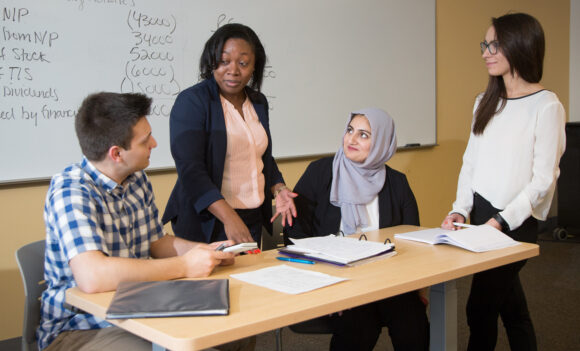
- Business
- Key Terms
-
- Data Analysis
- Problem Solving
- Management
- Economics
- Marketing

- Pathway
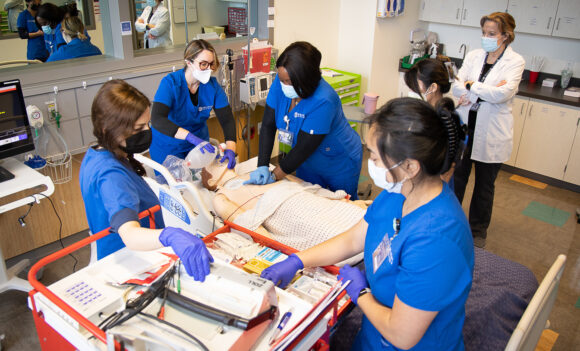
- Health Sciences
- Key Terms
-
- Problem Solving
- Active Listening
- Leadership
- Wellness
- Problem Solving

- Pathway
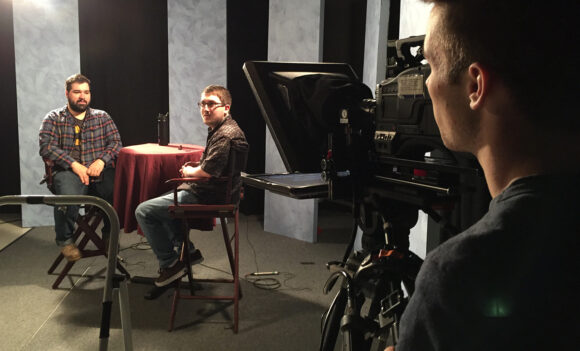
- Humanities & Communication
- Key Terms
-
- Writing
- Speaking
- Critical Thinking
- Reading
- Listening

- Pathway
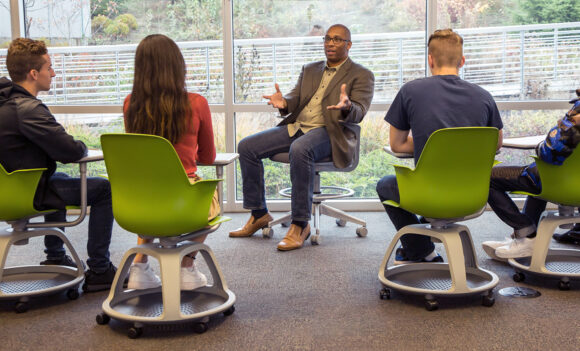
- Social Science, Public Service & Community Engagement
- Key Terms
-
- Cultural Awareness
- Empathy
- Education
- Equity
- Behavior
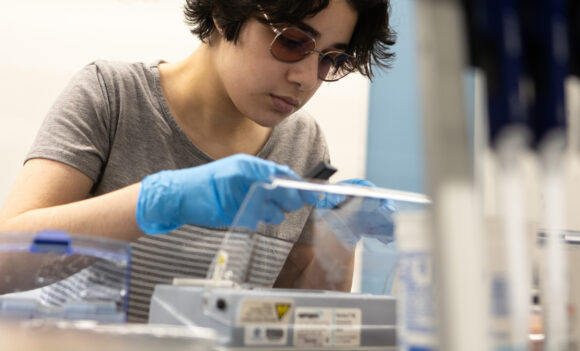

- Pathway
- STEM
- Key Terms
-
- Research
- Problem Solving
- Mathematics
- Science
- Engineering
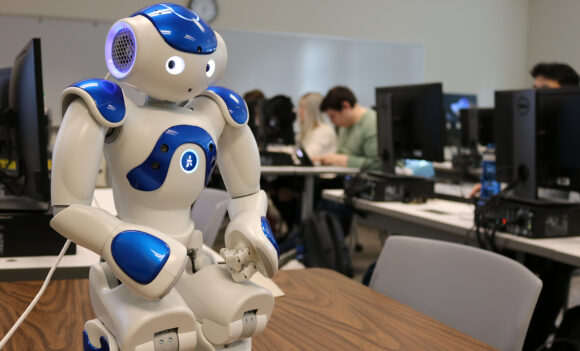

- Pathway
- Technology and Data
- Key Terms
-
- Analysis
- Problem Solving
- Design
- Computers
- Software


- Pathway
- Transitional Studies
- Key Terms
-
- Flexibility
- Diligence
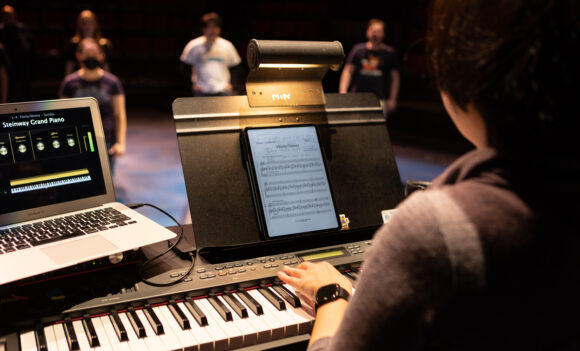

- Pathway
- Visual & Performing Arts
- Key Terms
-
- Creativity
- Collaboration
- Interpretation
- Design
- Performance
We’re With You Every Step of the Way
Bellevue College provides the support you need to be successful. Advising, tutoring, counseling, career planning, and other services help you reach new heights.
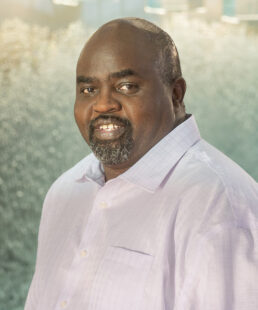
The Healthcare Management and Leadership program at Bellevue College helped me achieve my supervisory position at UW Medicine, Valley Medical Center, where I run three departments. The program taught me leadership skills, and how to deal with conflicts and strengthen teams. Professors helped get me an intern job at the Polyclinic and were instrumental in my path to finish the program.



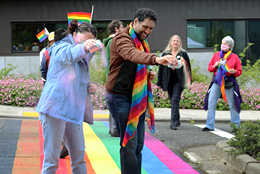
An Inclusive Community
At Bellevue College, we’re committed to equity and inclusion.
Everyone’s story is interesting and important. We offer dedicated support for our diverse community.
Diversity, Equity, and InclusionAcademic Success Center
Need help understanding course material? Connect with tutors in person or online. Attend learning workshops to build academic skills.

Academic Success Center
The Academic Success Center (ASC) provides free, high-quality tutoring and learning services for all students enrolled at Bellevue College. The mission of the ASC is to help students succeed academically and empower them to become independent, life-long learners.
Services & Resources
- Calculator and Textbook Lending
- Tutoring labs
- Workshops
Financial Support to Reach Your Goals
BC offers a budget-friendly path to your degree. Financial aid, coaching, and support services help you make ends meet.
BC's generosity has inspired me to help others and give back to the community. I hope one day I will be able to help students achieve their goals like your scholarship has allowed me to.

Information Systems & Technology BAS
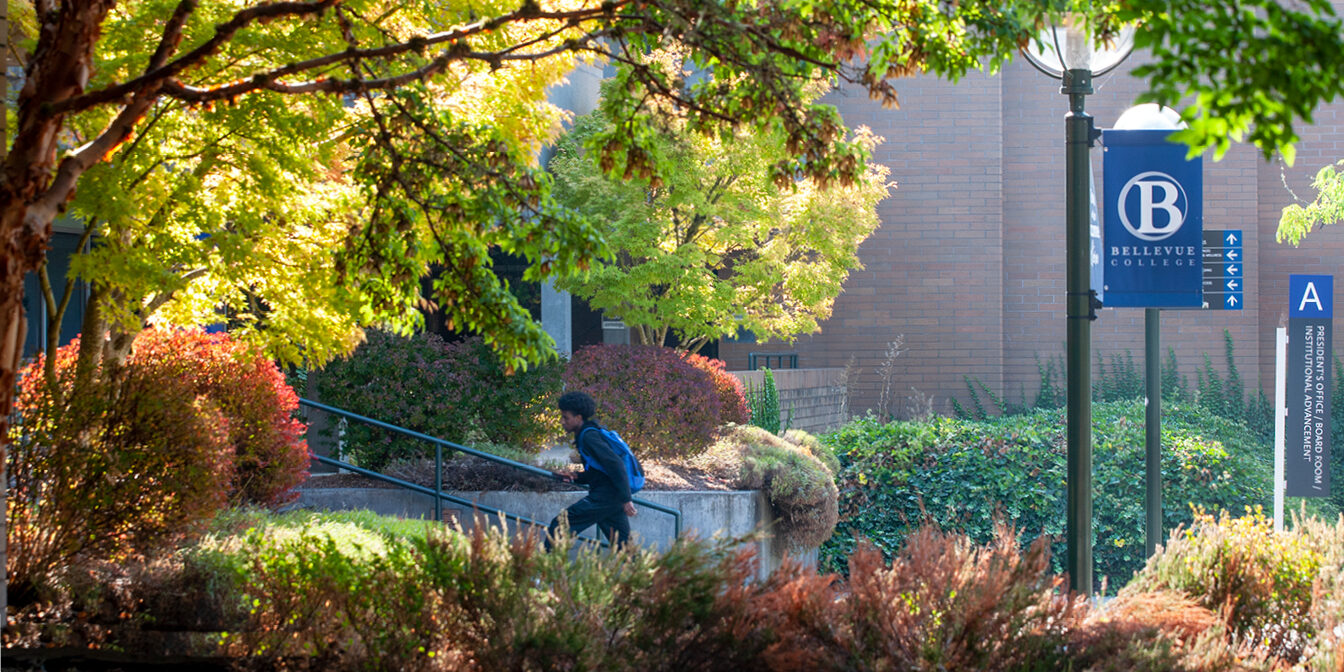
Visit Campus
Explore all that BC can offer you! We invite you to tour campus.
News and Stories
We’re always making headlines at Bellevue College. Take a look at the latest events, innovations, and student achievements.

Community Invited to Discovery Day April 20
Bellevue College invites prospective students of all ages and backgrounds, parents, and community members to Discovery Day on Saturday, April 20.
‘Exploring Pathways’ Help Students Choose Direction
When students enroll at Bellevue College, one of first buzzwords they’ll hear is “pathways.” Whether it’s BC Pathways, Guided Pathways, or choosing a pathway, these terms are used to help students pick an academic program or career field so that they have the best chance of success when selecting their classes and investing in their future.
Celebrate Earth Month this April
Celebrate Earth Day all month long with Bellevue College’s Earth Month event series happening now through April 30. With a goal to reach carbon neutrality by 2050, the theme for Bellevue College’s 25th annual Earth Month is “Decarbonize.”
DECA team wins state competition, sights set on 10th national championship
Bellevue College students won 19 individual first-place finishes, as well as the team title, at the collegiate DECA state competition last month. Next up? Nationals in April.
Events on Campus
Enjoy the arts. Be inspired by new ideas. Engage with fascinating people. Events at BC give you the chance to discover and connect.